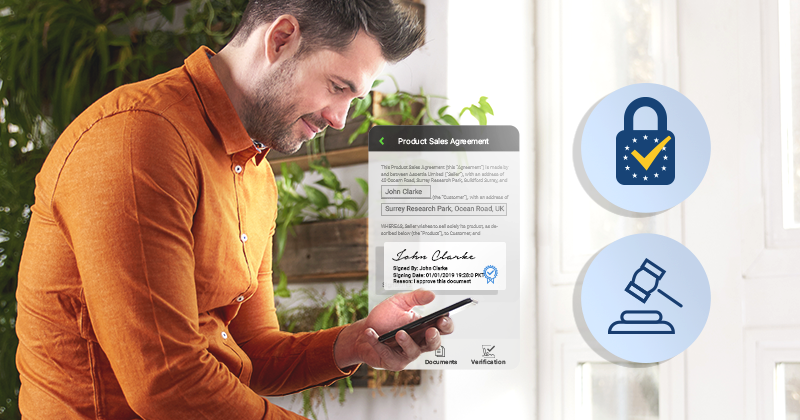
In this blog, we answer some of the most frequently asked questions about electronic and digital signature laws and the legality of eSignatures so you can electronically sign with confidence.
One of the key concerns people have when switching to eSignatures is whether they have the same legal certainty as a paper and ink signature. Ensuring e-signed documents are legally enforceable in a court of law is critical, as no company wants to see its documents disputed.
What are digital and electronic signature laws?
Case study: MD Consents - secure, efficient signing for fertility clinics
Fertility clinics work within a highly sensitive sector which requires patient consent and comprehension. MD Consents is acutely familiar with these requirements, particularly when the company launched its fertilityconsent.com service.
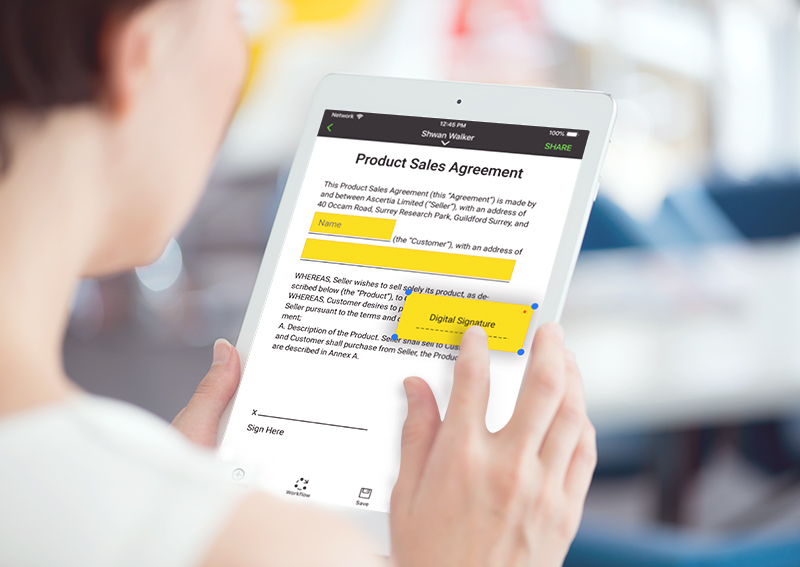
How do I create a digital signature?
What is a digital signature and how do I create one are two of the most common questions we are asked.
There is a clear difference between electronic signatures and digital signatures though, and confusingly digital signatures can be referred to as electronic signatures which does not help matters.
Not-for-profit cost savings with eSignatures
In this blog, we discuss how eSignatures can help not-for-profit organisations. Because of their organisational structure, not-for-profit charities, community groups and social enterprises are usually highly collaborative with members, volunteers, group leaders, investors and trustees all having an influence on decision making.
How the natural resources industry benefits from eSignatures
In our latest industries blog we are focusing on natural resources and the benefits the industry could see from using eSignatures.
Producers of major commodities (coal, iron ore, oil and natural gas) are realising great efficiencies through technology. In a low-growth environment, there are opportunities to extend these benefits into broader operational areas.
How does SigningHub help with GDPR?
For most companies, ensuring company GDPR compliance has been a lengthy and arduous process but one that is necessary to ensure your organisation can provide evidence that it is following the regulation. SigningHub can help your business ensure its GDPR compliance.
How Museums can use eSignatures to enhance archiving
Our popular ‘five industries’ blog series has returned, starting with how museums can use eSignatures to enhance their archiving process.
Museums are already using technology across the entire visitor journey to deliver impressive experiences that entertain and enlighten. However, this is just one part of an overall digital transformation strategy.
Can I use an electronic signature?
Graham Smith
www.cyberleagle.com
Graham is a partner in international law firm Bird & Bird LLP. He is based in London and is one of the UK's leading cyberlaw experts, with a practice encompassing advisory and contentious work in the internet, IT and intellectual property fields.
How SigningHub implements HIPAA-compliant security standards
In this blog, we discuss how SigningHub implements HIPAA-compliant eSignatures.
What is HIPAA?
HIPAA (Health Insurance Portability and Accountability Act of 1996) is a United States legislation that provides data privacy and security provisions for safeguarding medical information.
International document regulations you need to know
In this blog, we discuss the international document regulations you need to know when making a digital transformation.
60+ countries have standards and legal frameworks for eSignatures and digital transactions. This list grows each year, which makes it challenging for international organisations to deliver compliant business processes.